
Congratulations on your recent election to public office!
To help aid your transition, we have curated a library of resources specifically for you to expand your knowledge, understand your new responsibilities, and find support when you need it.
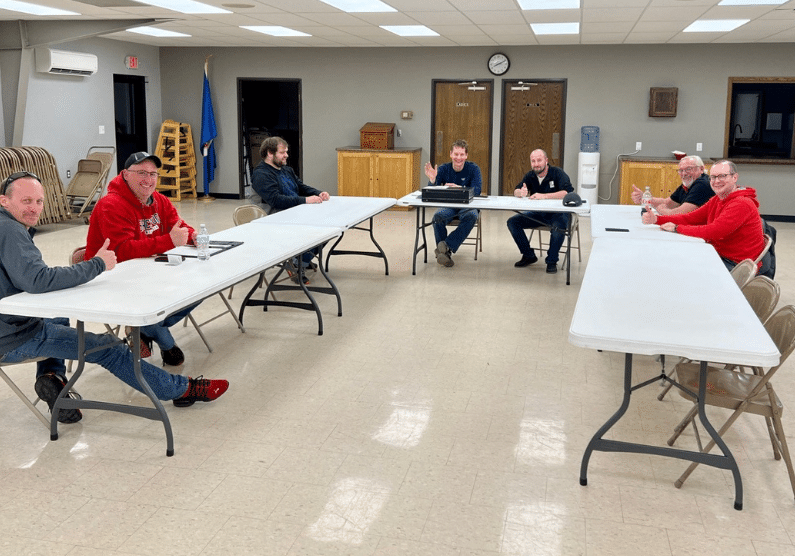

Your Role as a Public Official
In your position as a public representative, you play a pivotal role in shaping our community's present and future. Whether as a County Commissioner, City Council Member, Mayor, or Township Supervisor, your decisions will directly impact the community you represent.
Learn more about your individual role and your influence within the community
County Commissioners are elected officials serving as the governing body for Kandiyohi County. They deliberate on county policies, budgets, and services, ensuring the county's strategic development initiatives are aligned with broader community needs.
City Council Members are elected officials who serve as the legislative body for a city. They are responsible for enacting ordinances, approving the city budget, setting tax rates, and formulating policies that dictate how the city is governed.
The Mayor serves as the executive leader of a city or municipality, overseeing the implementation of city council policies, and acting as the official representative of the city at local, state, and sometimes international events. Depending on the city's government structure, a Mayor's powers can vary significantly.
Township Officers are elected officials who govern townships. Officers are responsible for overseeing the general operation of the township, including road maintenance, land use planning, and possibly providing utilities and public safety services depending on the size and capabilities of the township.
Resources to Support Your Journey
Explore our extensive list of resources that cover everything from understanding legislative procedures to financial literacy.
- Guide to Robert’s Rule of Order: Robert’s Rules of Order is America’s foremost guide to parliamentary procedure.
- Land Use Ordinances: The legal foundation for city land use ordinances in Minnesota is the 1965 Municipal Planning Act.
- Minnesota Secretary of State Website: Minnesota county and local government information
- Comprehensive Guide for Minnesota and Local Governments: University of Minnesota
- State of Minnesota Resources for Local Government: State resources for local governments
- Frequently Asked Questions about the Minnesota Legislature
- League of Women Voters: Empowerment for voters and democracy through advocacy, education, and litigation at the local, state, and national levels.
- Mid-Minnesota Development Commission: The MMDC collaborates with businesses, organizations, and local units of government to improve our region.
- Minnesota Association of Townships: The Minnesota Association of Townships (MAT) supports and promotes the township form of local government in Minnesota through educational programs, structured advocacy, vital collaboration, and procurement of critical resources fundamental to local governments.
- National Association of Towns and Townships: NATaT’s purpose is to champion fair-share federal funding decisions and to promote legislative and regulatory policies designed to strengthen grassroots local government.
- League of Minnesota Cities: The League of Minnesota Cities promotes excellence in local government through effective advocacy, expert analysis, and trusted guidance for all Minnesota cities.
- National League of Cities: The National League of Cities (NLC) is an organization comprised of city, town and village leaders that are focused on improving the quality of life for their current and future constituents.
- Association of Minnesota Counties: The Association of Minnesota Counties (AMC) is a voluntary, non-partisan statewide organization that has assisted the state’s 87 counties in providing effective county governance to the people of Minnesota since 1909.
Connect with Your Representatives
Establishing connections with your fellow public representatives can help you better serve our community. Find information on your neighboring leaders and legislators on the Minnesota Legislature’s website.

City Plan Documents
From zoning ordinances to city codes, understanding the following documents are essential for government officials. Below is a comprehensive overview of various city and county plan documents. We are here to support you every step of the way. If you have further questions or require any additional information, please don't hesitate to contact us.
A Comprehensive Plan, sometimes known as a master plan or general plan, outlines a community's vision and goals for future growth and development over a long-term period, typically 20-30 years. This document guides decision-making in areas such as land use, housing, transportation, utilities, and natural resources. It serves as the foundation for all planning and zoning decisions.
The City or County Code is a collection of laws and ordinances that governs various aspects of life and business within the municipality. This can include building codes, health and safety regulations, noise ordinances, and more. The city code is frequently updated to reflect new laws or amendments to existing regulations.
Zoning Ordinances are a set of laws that specify what types of structures and uses of buildings and land are permissible in different parts of a city or county. These ordinances are designed to separate incompatible land uses, such as industrial and residential, to create a harmonious community.
A Capital Improvement Plan is a short-range (4-6 years) plan that identifies capital projects and equipment purchases, provides a planning schedule, and identifies options for financing the plan. Essentially, the CIP outlines a community's planned investments in infrastructure and facilities like roads, bridges, schools, parks, and libraries.
A Transportation Plan focuses on a community’s transportation system and its future needs. It covers all modes of transportation, including vehicular, transit, pedestrian, and bicycle. The plan aims to improve the efficiency and safety of the transportation system to meet current and future needs.
A Housing Plan addresses the current and future housing needs of a community. It often includes strategies for providing a mix of housing types affordable to different income levels, improving housing quality, and ensuring compatibility with neighborhood character.
An Economic Development Plan outlines strategies for enhancing a community's economic health and competitiveness. It focuses on attracting businesses, creating jobs, enhancing the tax base, and improving residents' quality of life through economic growth.
A Hazard Mitigation Plan is developed to reduce risks to life and property from natural and man-made hazards through proactive risk identification and mitigation strategies. It involves assessing potential hazards, analyzing community vulnerability, and outlining specific actions to mitigate these risks.
Assistance and Advocacy
Kandiyohi County Economic Development is here to support you. We can provide financial support, advocacy, and guidance to help you in your role. Learn more about the role that KCED can play by contacting us.
Ready to unlock your full potential in Kandiyohi County?
Contact us now and let Kandiyohi County Economic Development be your gateway to success.